You spend money to get someone onto your site. Then they leave, and unless something brings them back, that money is gone.
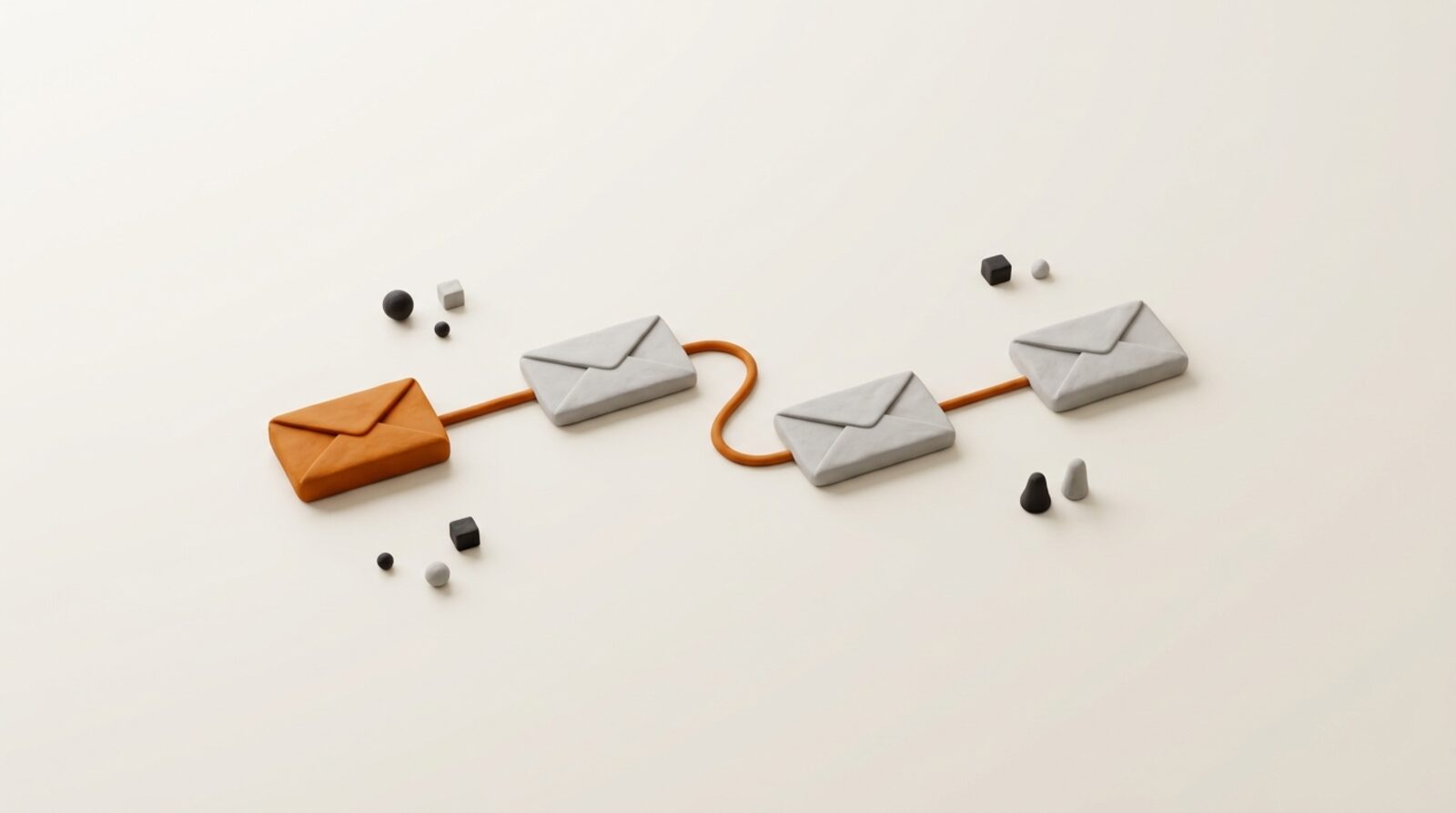
That’s the problem email flows solve. A flow is an automated series of emails (and texts, if you use SMS) that goes out when a customer does something specific, like signing up or leaving a cart behind. You build it once and it keeps working while you sleep.
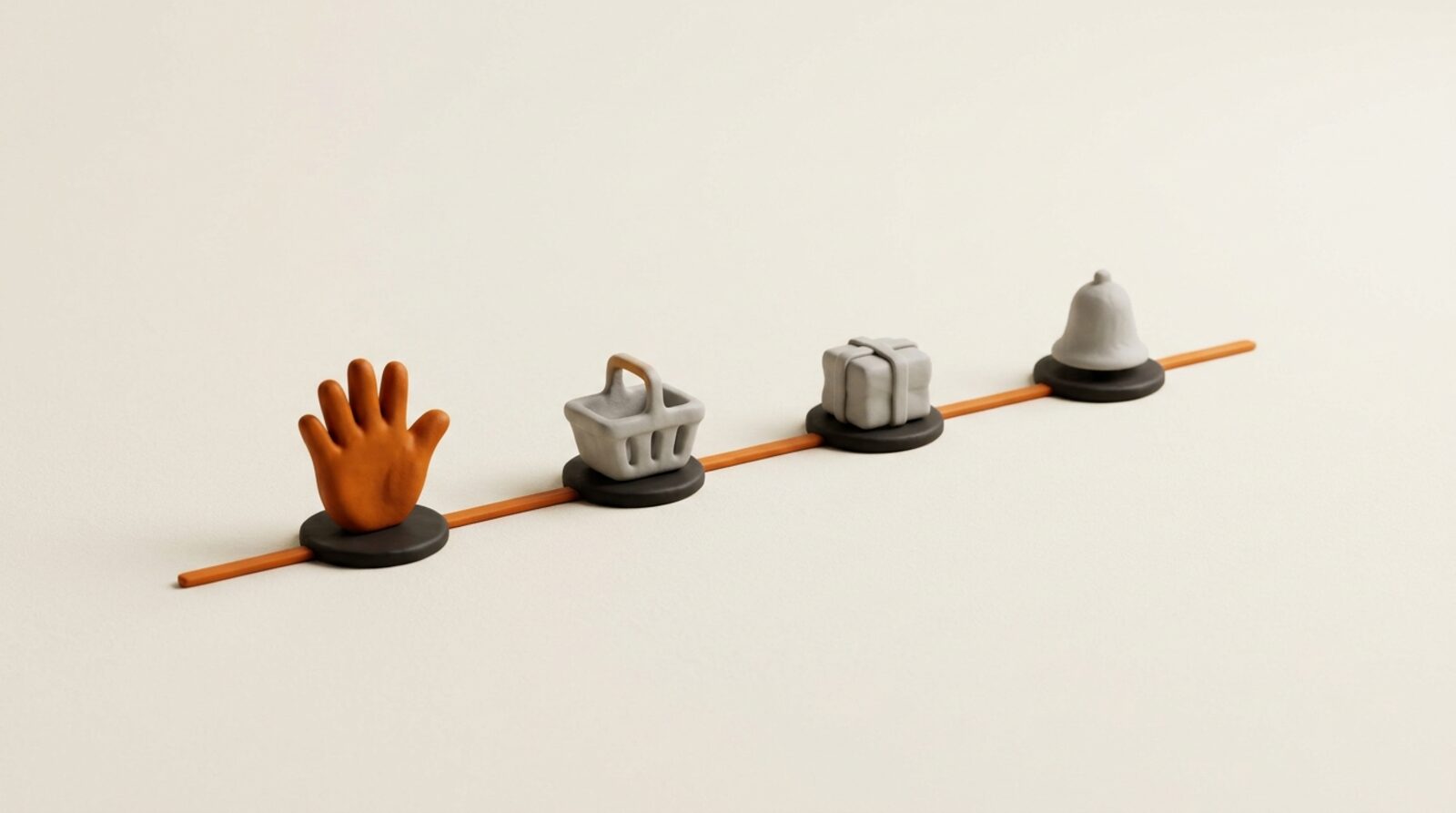
Klaviyo is the tool most Shopify brands use for this, and it can do a lot. Too much, honestly. So this post skips the clever stuff and covers the four flows we’d set up first for almost any store.
Why flows come before campaigns
Most founders think of email as the newsletter. You write something, pick a day, hit send.
Campaigns matter, but flows usually do more of the heavy lifting. They reach people at the moment they’re most interested, and the timing is set by the customer instead of your calendar.
A campaign goes to your whole list on a Tuesday. A flow goes to one person ten minutes after they did something that shows intent. That second email is far more likely to land.
If you only have time for one thing this month, get the flows right. Campaigns can come after.
Flow one: welcome series
This starts when someone joins your list, usually through a signup form or popup on your site.
The job is simple. Introduce the brand and give them a reason to make a first purchase.
A good starting setup:
- Email 1, sent straight away. Deliver whatever you promised on the form, such as a discount code. Keep it short.
- Email 2, a day or two later. Tell them why the brand exists and what makes the product different. Use the real story and your own photos.
- Email 3, a few days after that. Show your best sellers, or answer the questions people ask before buying. Sizing, ingredients, shipping times.
- Email 4, optional. A gentle reminder that the code expires, if it does.
Add a filter so anyone who buys during the series drops out. Nobody wants a “here’s 10% off” email the day after paying full price.
Flow two: abandoned cart
This one starts when someone begins checkout and doesn’t finish. In Klaviyo, it’s usually triggered by the “Started Checkout” event that comes through from Shopify.
People abandon carts for ordinary reasons. The phone rang. Shipping cost more than they expected. They wanted to think about it.
So the emails should feel like a helpful nudge, not a chase:
- First email, about an hour later. Show the product they left, with a clear button back to the cart. No discount yet.
- Second email, about a day later. Answer the likely objection. Returns policy, delivery times, reviews.
- Third email, optional. If your margins allow it, this is where a small incentive can go.
Also set up a browse abandonment flow at some point. That one goes to people who viewed a product but never added it to the cart. It’s softer and lower priority, but worth having.
Flow three: post-purchase
Most stores send an order confirmation from Shopify and then go quiet. That’s a missed chance, because the person who just bought from you is the warmest customer you’ll ever have.
The post-purchase flow does two jobs. It makes the first experience go well, and it sets up the second order.
What to include:
- A thank you that sounds human. From the founder, if that fits your brand.
- How to use the product. Care tips, setup guides, a short video. Fewer returns, happier customers.
- A review request. Time it for after the product has arrived and been used, not the day it ships.
- A next-step product. Something that pairs with what they bought, or a refill reminder if the product runs out.
Split this flow for first-time buyers and repeat buyers. Someone on their fifth order doesn’t need the “welcome to the family” email again.
Flow four: winback
This one goes to customers who bought before but haven’t come back in a while.
How long “a while” means depends on your product. A coffee brand might start the flow after six weeks. A furniture brand might wait much longer. Look at how often your repeat customers actually reorder and set the timing a bit after that.
A winback series can be short:
- A check-in. What’s new since they last ordered. New products, restocks, improvements.
- A reason to come back. This is where an offer makes sense, because you’re competing with them forgetting you exist.
- A last email. If they still don’t engage, tell them you’ll email less often. Then move them to a lower-frequency segment.
That last step keeps your list healthy. Sending to people who never open hurts how inbox providers treat all your emails.
Common mistakes
These come up again and again when we look at a store’s Klaviyo account.
- Flows built but never switched on. It happens more than you’d think. Check that each flow is set to live, not draft or manual.
- No filters. Without them, someone can get a welcome discount, an abandoned cart email and a winback email in the same week.
- Discounting too early. If every abandoned cart gets a code in the first email, people learn to abandon carts on purpose.
- Writing like a brand, not a person. Short emails from a named person often do better than glossy designs. Test it.
- Set and forget. Flows need a look every few months. Prices change and old links break.
- Ignoring SMS consent rules. If you add text messages, get clear consent and follow the rules for each country you sell to.
How we approach this at Kreso
Retention is one of our revenue-share growth services. We get paid from the growth we help create, so a flow that looks nice but doesn’t move repeat purchases is no use to us either.
That changes what we focus on. We spend less time on pretty templates and more on timing and on the offer logic that decides who gets what. And we keep testing after launch, because that’s where most of the return comes from.
Email works better when the rest of the funnel does too. Traffic from paid ads fills the list, and a store that loads fast and explains the product well turns more of those people into buyers. That’s why we look at retention alongside your Shopify store setup, not on its own.
Where to start this week
If you have none of these running, start with abandoned cart. It’s the quickest to set up and catches people who were already close to buying.
Then add the welcome series, then post-purchase, then winback. Give each one a few weeks before you judge it.
If you already have all four, open each one and read it as a customer would. Check the timing and filters, then click every link. You’ll probably find something to fix.
And if you’d rather have someone look at it with you, we’re happy to. Book a free strategy call and we’ll tell you what we’d change first.